Blogger Tricks
Showing posts with label Japanese Recipes. Show all posts

Wednesday, 19 February 2014

Bourbon Chicken

By LinMarie LinMarie's Note: I searched and finally found this recipe on the internet. It is a copycat of the Bourbon Chicken sold in Chinese carry-outs in my hometown. This recipe is so good that my sons gobble it up leaving me just a spoonful. Their excuse was they thought I had eaten.

Ingredients:

2 lbs boneless chicken breasts, cut into bite-size pieces
1 -2 tablespoon olive oil
1 garlic clove, crushed
1/4 teaspoon ginger
3/4 teaspoon crushed red pepper flakes
1/4 cup apple juice
1/3 cup light brown sugar
2 tablespoons ketchup
1 tablespoon cider vinegar
1/2 cup water
1/3 cup soy sauce

Directions:

1 Heat oil in a large skillet.
2 Add chicken pieces and cook until lightly browned.
3 Remove chicken.
4 Add remaining ingredients, heating over medium Heat until well mixed and dissolved.
5 Add chicken and bring to a hard boil.
6 Reduce heat and simmer for 20 minutes.
7 Serve over hot rice and ENJOY.

Monday, 3 February 2014

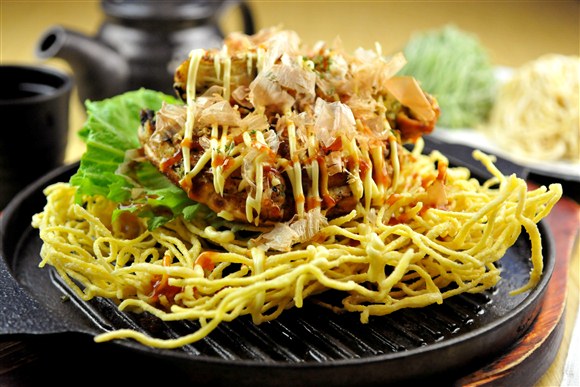
Okonomiyaki

Okonomiyaki (お好み焼き) literally means “grilled as you like it” in Japanese. As the name implies, what goes into it and how it’s prepared depends largely on your preferences. That’s why it’s sometimes known as a “Japanese pizza” in the US.

In most versions okonomiyaki is made with shredded cabbage and a pancake-like batter, but that’s where the similarities end. Some people like a soft custardy interior, while others prefer a ton of fillings with the batter merely binding the ingredients together. Since there are no hard and fast rules for the filling and toppings, it’s a great way to use up scraps from the fridge.

That said, there are a two general styles of okonomiyaki: Hiroshima-style and Kansai-style. Hiroshima-style okonomiyaki is layered like a giant omelette and often includes yakisoba on the inside, with a fried egg on top. Kansai-style okonomiyaki on the other hand is mixed together before being cooked like a pancake.

Nagaimo, which literally means “long potato” is a key ingredient in Kansai style okonomiyaki. It’s a species of yam consumed all over Asia. In Japan, it’s often eaten raw in salads and grated into sauces, but it has a thick mucus-like texture that tends to put people off who weren’t raised eating it. When cooked though, the sliminess dissipates and it provides a wonderful moist, creamy quality to batters like this one. One thing to remember though is that if you have sensitive hands, be sure to wear food-safe gloves when handling nagaimo as it can make your hands itchy.

Another key point to getting a soft custardy Kansai-style okonomiyaki is to limit the development of gluten in the batter. That’s why it’s important to minimize mixing once you’ve added liquids to the flour. I’ve found that mixing the flour in with the cabbage first, and then adding the liquids, keeps the mixing to a minimum while evenly incorporating all the ingredients.

Once cooked, the pancake is slathered with okonomiyaki sauce, though chuno or tonkatsu sauce are both similar and work perfectly fine). Typical toppings include Japanese mayonnaise, aonori (green nori flakes), katsuoubushi, and benishouga (red pickled ginger), but similar to the filling, what you put on top is largely up to your own preferences. Chili sauce, cheese, and even curry are fair game, making it a lot of fun to pair condiments with what’s inside each pancake.

I’ve outlined the process and ingredients for a very basic okonomiyaki below, but like pizzas, it can be filled and topped with anything you like. Here are some ideas to show you how versatile okonomiyaki can be.

Mentai Cheese Okonomiyaki

Make the basic okonomiyaki below (minus the bacon), but add mentaiko and cheddar cheese to the mixture. The mentaiko adds spicy bits of salty pollack roe in every bite, while the cheddar melts, to form pools of cheese on the inside and crisps on the outside. Topped with chopped tomatoes and mayonnaise it presents beautifully and adds a fruity sweetness that goes well with the cheese.

Smoked Salmon and Thyme Okonomiyaki

Make the basic okonomiyaki below (minus the bacon), but add smoked salmon and thyme and top with hollandaise sauce and aonori. With salty, smoky bits of smoked salmon in every bite and a tart creamy hollandaise sauce, this tastes more European than Japanese, but that doesn’t make it any less delicious.

Okonomiyaki


A savory Japanese pancake loaded with your choice of vegetables, meats, or seafood.
Course Entrée
Skill Level Beginner
Servings Prep Time Cook Time 2-3 5minutes 14minutes

Ingredients

400gramscabbage (~half a small head)
60gramsscallions (~2 scallions), thinly sliced
10gramskatsuobushi
140gramsall-purpose flour (~1 cup)
280gramsnagaimo (9.9 ounces) peeled and grated
2largeeggs
1/2cupdashi or cold water
9slicesbacon
okonomiyaki sauce
mayonnaise
aonori
katsuobushi
benishoga

Instructions

1. Remove the core and tough parts of the stems from the cabbage and shred it.
2. In a large bowl, combine the shredded cabbage, scallions, katsuobushi, and all-purpose flour, tossing with two large forks or your fingers to distribute everything evenly.
3.Peel the nagaimo and grate it into a separate bowl. You can also roughly chop it and puree it in a food processor.
4. Add the eggs and dashi, and whisk together until the everything is uniformly incorporated.
5. If you want to add other filling ingredients, this is the time to do it. Decide whether your additions will incorporate better into the dry ingredients or wet ingredients and mix them in accordingly.
6.Pour the wet ingredients into the cabbage mixture and stir together until all the cabbage has been moistened and there are no large lumps of flour, but be careful not to overmix.
7. It's fine if there are still some small clumps of flour. Lay out the bacon in a cold pan, overlapping slightly to account for shrinkage. If you aren't using bacon, you'll need to add a few teaspoons of vegetable oil to the pan.
8. Add a third of the cabbage mixture into a mound on top of the bacon. Press down on the mound using a spatula to flatten out the top and then push the edges back towards the center to make a round pancake that's roughly the same thickness from edge to edge (it should be about 3/4-inch thick).
9. Cover with a lid and cook until the bottom is well browned (about 7 minutes). 10. Flip the okonomiyaki. If you are unsure about your flipping abilities, lightly oil and preheat a second pan, then you can use the second pan to cover the first and flip the okonomiyaki straight into the second pan using oven mitts to hold the hot pans.
11. Press down on the top of the okonomiyaki with a spatula and cook uncovered until the second side is browned as well (about 7 minutes).
12. Slide the okonomiyaki out of the pan onto a plate and top with chuno sauce, mayonnaise, aonori, katsuobushi and benishoga.
source: http://norecipes.com

Tuesday, 20 August 2013

Gyoza - Japanese style dumplins


Gyoza is originally a Chinese dish, which has become very popular across Japan. This recipe shows how to make the gyoza dough and the gyoza filling. The time consuming and difficult part of making of the dough can be skipped by buying premade dough pieces, which are available at some Japanese and Chinese grocery stores.

Ingredients:

(for 30 Gyoza)


Dough:
170 mL water
200 g strong flour

Filling:
200 g ground pork
Cabbage
Nira*: can be substituted by leek or green onion

Leek or Green onion
Garlic
Ginger
Sake*
Soya sauce, salt, and pepper
Sesame oil

Dipping Sauce:
Soya sauce
Vinegar
* This ingredient may not be available in Western supermarkets, but you should be able to find it in Japanese grocery stores that exist in most large European and American cities.

Preparation:

Dough:
1. Mix the water and the flour to a dough that should not be sticky but as soft as an ear lobe.
2. Put a wet towel over the dough, and let it stand for several minutes.
3. Separate the dough in 30 pieces, and form each of them to very thin discs with a diameter of about 10 cm. The middle of each disc should be a little bit thicker than the edge.
Filling:
4. Cut some green, outer cabbage leaves, some green onion (or leek), nira, ginger, and garlic in very small pieces. The amount of these ingredients should equal the amount of meat. Do it as you like.
5. Put some salt on the cabbage, and let it stand for five minutes. Then press the water out of the cabbage pieces.
6. Mix the cabbage, green onion (or leek), nira, ginger, garlic, and the ground pork all together, and add some salt, pepper, soya sauce, sake, and sesame oil. Mix it all very well.
 Making and frying the Gyoza:
7. Put some of the filling onto a piece of dough. Remember that the filling should suffice for 30 gyoza pieces.
8. Moisten the edge of the dough with water. Moisten only a semicircle, not all the way around.
9. Close the gyoza. While closing it, fold the edge about 6 times as shown on the image.
10. Put the gyoza on the table as shown in the image.
11. Fry the Gyoza in a little bit of hot oil until the bottom is brownish, then add water so that the gyoza are in the water with about half of their hight.
12. Keep the high heat and wait until all the water has vaporized. Then remove the gyoza from the heat.
13. Dipping sauce: Mix the same amounts of soya sauce and vinegar together.
Serving and eating:

Eat gyoza pieces after dipping them in the dipping sauce.

General information:

In China dumplins are usually eaten either steamed, fried or in a soup. Japanese gyoza, however, are usually fried. There are many kinds of fillings used, e.g. with different seafood instead of the meat, other vegetable, etc.


Sunday, 4 August 2013

Japanese Eggdrop Soup – Tamago Toji


ingredients
1 egg
2 tbsp. scallions, finely chopped
3 c. basic clear soup
method
Beat egg and scallions together in a small bowl. . In a saucepan, bring basic clear soup to a boil. Swirl egg mixture around the inside of the pan in a small stream, making a circle. Remove soup from heat and pour into 4 small bowls to serve

Japnese Eggplant Miso Soup


2 tablespoons Miso
2 Scallions — chopped
1 quart Hot water
1/2 cup Tofu — cubed
1 Carrot — chopped
1 cup Eggplant — julienned

In boiling wash, add miso. Mash to dissolve. Add carrots, scallions, tofu and eggplant. Cook until veggies are tender

Japnese Yakitori


The sauce
1 tablespoon granulated sugar
1/4 cup mirin (sweetened cooing sake)
1/2 cup sake
1/2 cup soy sauce
Mix the sugar, mirin, sake and the soy sauce over high heat and bring to a boil. Reduce heat to medium – low and simmer until reduced to one cup. (about 10 to 15 min.) and reserve sauce.
12 ounces of boned chicken
8 ounces of chicken livers
cold water4 medium chinese black mushrooms
2 medium green bell peppers
1 medium leek
16 to 20 skewers
seven spice powder
1 lemon, cut into wedges
Cut the chicken into squares and the liver into squares and place the livers into the cold water and cover. let stand 5 min. then drain and pat dry. Remove the mushroom stems and cut each cap into halves. then cut each green pepper in half. then cut each half crosswise in half. Cut the leeks into 1- inch lengths. Soak the bambo skewers in cold water for 10- min. Then thread on the pieces of food in alternating order. Then place on the grill and baste the skewers of food with the sauce. Cook for about 3 to 4 min. do not over cook or the chicken will be dry. Serve immediately and pass with the lemon wedges and spice.

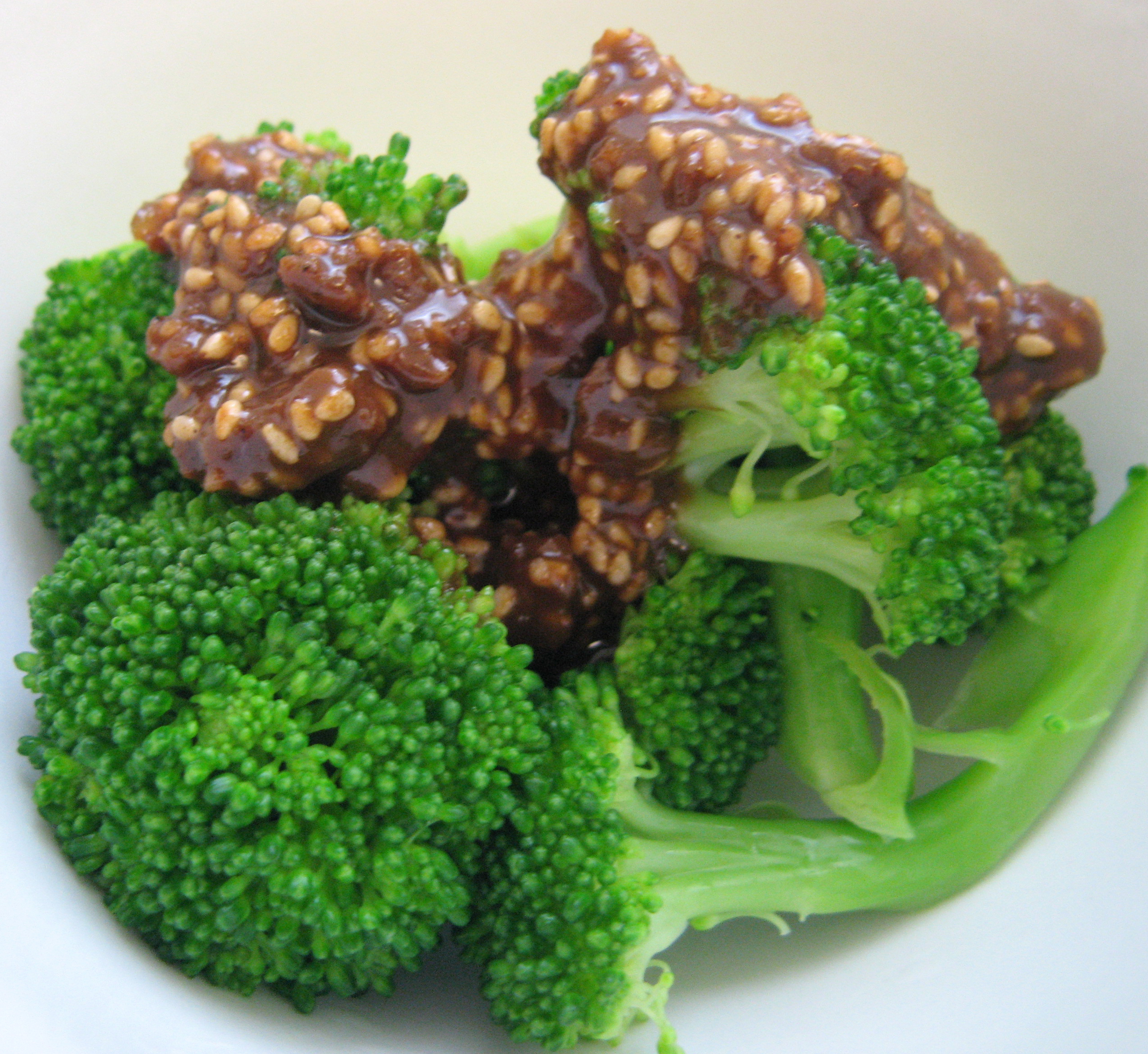
Sesame Seed Dressing with Brocolli – Goma-ae


Ingredients:
1lb. broccoli, cut into small pieces (do not use tough ends of stalks)
3 tbsp. sesame seeds
3 tbsp. soy sauce
1 tbsp. sugar
Method:
Bring 6 c. water to a boil in a saucepan. Add broccoli and cook for one minute. (Be careful not to overcook. Broccoli should be bright green when done.) Drain and set aside.Prepare sesame seeds by putting them in a covered, dry frying pan and toasting them over medium heat, shaking the pan constantly so that seeds do not burn. When seeds turn golden brown (about 3 minutes) remove the pan from the heat. Place seeds in a small bowl and crush lightly with the back of a large spoon, or process in a blender for a few seconds.
Combine soy sauce, sugar, and sesame seeds and mix well. Toss with broccoli and serve.

Japanese Cucumber with Crab – Kani to Kyuri no Sunomono


ingredients:
2 cucumbers
1 tsp. salt
6 oz. canned crab or frozen crab, thawed
Dressing:
1/4 c. rice vinegar
2 tbsp. sugar
1/4 tsp. soy sauce
sesame seeds (optional)
method:

1. Thinly slice cucumbers, place in bowl, and sprinkle with salt. Let stand for 5 minutes, then use your hands to gently squeeze water out of cucumbers.
2. Break crab into small pieces.
3. In another bowl, combine vinegar, sugar, and soy sauce.
4. Put cucumber and crab in 4 small bowls and pour on dressing. Sprinkle with sesame seeds, if desired.

Japanese Boiled Spinach – Horenso


ingredients
1 lb. fresh spinach
3 tbsp. katsuobushi or toasted sesame seeds
2 to 4 tsp. soy sauce, to taste
method
Wash spinach well and cook in steamer or in pan with 1/2 c. water for about 3 minutes. (Do not overcook. Spinach should be bright green when done.)
Drain spinach and set in cold water to stop the cooking process. Then use your hands to squeeze out as much water as possible.
Cut spinach into 1- to 2-inch pieces and place in 4 individual bowls.
Garnish with katsuobushi or toasted sesame seeds (see page 46 for toasting instructions) and pour soy sauce over spinach.

Japanese Simmered Beef and Vegetables – Sukiyaki


1 to 1.5 lb. rib-eye of beef
1 12-oz. block tofu, cut into 1-inch cubes
1 tbsp. oil
1 bunch (about 6) scallions, cut into 2-inch pieces
1 small can shirataki
1 8-oz. can sliced bamboo shoots, rinsed under cold, running water
1 c. sliced fresh mushrooms
1 c. soy sauce
1.5 c. water
3 tbsp. sugar

Slice beef very thinly. (If meat is slightly frozen, it is much easier to cut)
Heat oil in frying pan and saute beef.
Add scallions, shirataki, bamboo shoots, mushrooms, and tofu.
Combine remaining ingredients to make a sauce. Pour sauce over meat and vegetables until they are half covered. Adjust heat so that sauce simmers.
After about 10 minutes, test a piece of meat to see if it is done.
Remove from pan and serve

Japanese Ginger Sauce


1/2 c Soy sauce
1/4 c Vinegar
1 Small onion, sliced
1 Small piece of ginger root
method
Place all ingredients in an electric blender and set at high speed. Mix for 2 minutes or until ginger and onions are finely chopped.
*Note* If fresh ginger is not available, substitute 1/8 teaspoon powdered ginger.

Japnese Steak


1/4 c Uncooked rice
1 6 oz sirloin steak, boneless
1 T Peanut oil
2 lg Mushrooms, sliced
Salt
Pepper
Cook rice according to package directions. Set aside. Heat griddle to 350 degrees and pour on oil to coat surface. Sear steak on both sides. Cut steak into strips. Return to griddle along with mushroom slices. Turn meat pieces until done to preference. Season with salt and pepper to taste. Serve with boiled rice and magic mustard sauce.

Japnese Chicken


2 T Soybean oil
1 Boned and skinned chicken – breast
Salt
Pepper
Fresh lemon juice
1 T Sesame seeds
Oil a hot griddle or fry pan with soybean oil to coat surface. Cut chicken breast into bite sized pieces and place on hot griddle. Season to taste with salt and pepper. Cook until chicken looks done. Add small amount of fresh lemon juice and sesame seeds. Cook a few minutes more. Serve with magic mustard sauce.

Japanese Steak Benihana


1/4 c Uncooked rice
1 6 oz sirloin steak, boneless
1 T Peanut oil
2 lg Mushrooms, sliced
Salt
Pepper

Cook rice according to package directions. Set aside. Heat griddle to 350
drgrees and pour on oil to coat surface. Sear steak on both sides. Cut
steak into strips. Return to griddle along with mushroom slices. Turn meat
pieces until done to preference. Season with salt and pepper to taste.
Serve with boiled rice and magic mustard sauce.

Japanese Tentsuyu (tempura dipping sauce)


Ingredients:
2 cup dashi soup stock
1/2 cup mirin
1/2 cup soy sauce
1 tbsp sugar

How to Cook:
Mix all ingredients in a pan. Put the pan on high heat and bring the sauce to a boil. Cool the sauce.

Japanese Tempura Shrimp


Ingredients:
12 large shrimps
1 egg
1 cup ice water
1 cup all purpose flour
Vegetable oil for frying
How to Cook:
Peel shrimp and make a couple incisions on the stomach side so that it stays straight.
Beat an egg in a bowl.
Add ice water in the bowl.
Add flour in the bowl and mix lightly.
Heat oil to 350 F degree in a deep pan.
Pick shrimp up by the tail and dip the body part in the batter.
Fry it until brown.
Makes 4 servings
Note: Be sure to use very cold water. Do not over mix the batter.

Japanese Rice – Gohan


2 c. short-grain white rice, uncooked
21/2 c. cold water
Wash rice in a pan with cold water and drain in a sieve. In a covered heavy pot or saucepan, bring rice and 21/2c. water quickly to a boil. Lower heat and simmer until all water is absorbed (about 30 minutes). Turn off heat and let rice steam itself for another 10 minutes.
For a simple but tasty variation of this recipe, just add 1 c. of cooked green peas at the end of Step 2 to make mame gohan, or rice with green peas.

Thursday, 1 August 2013

Japanese Noodles – Menrui

1. Bring 6 c. of water to a boil. Add noodles and return water to a boil, stirring occasionally. Cook for about 20 minutes or until noodles are soft.
2. Drain noodles in a colander and rinse in cold water to stop the cooking process.
3. For hot noodles: set noodles aside and prepare broth.
4. For cold noodles: put noodles in refrigerator to cool while preparing the dipping sauce.
Broth ingredients:
3 c. water
1 tbsp. dashinomoto*
4 tbsp. soy sauce
1 tbsp. sugar (or to taste)
chopped scallions or dried pepper flakes (optional)
1.Combine all broth ingredients in a pan and bring to a boil. Add noodles and bring to a boil again to heat noodles.
2.Remove from heat and serve noodles with broth in 4 individual bowls.
3.Top noodles with chopped scallions or dried red pepper flakes, if desired.
Dipping Sauce:
2 c. water
1 tsp. dashinomoto
6 tbsp. soy sauce
2 tsp. sugar (or to taste)
sliced cucumbers and canned
mandarin oranges (optional)
Mix together all ingredients and pour into 4 small dishes for dipping.
Divide noodles among 4 bowls and garnish with sliced cucumber and mandarin oranges. Serve with dipping sauce.